
Understanding Sports Broadcasting
Defining Sports Broadcasting
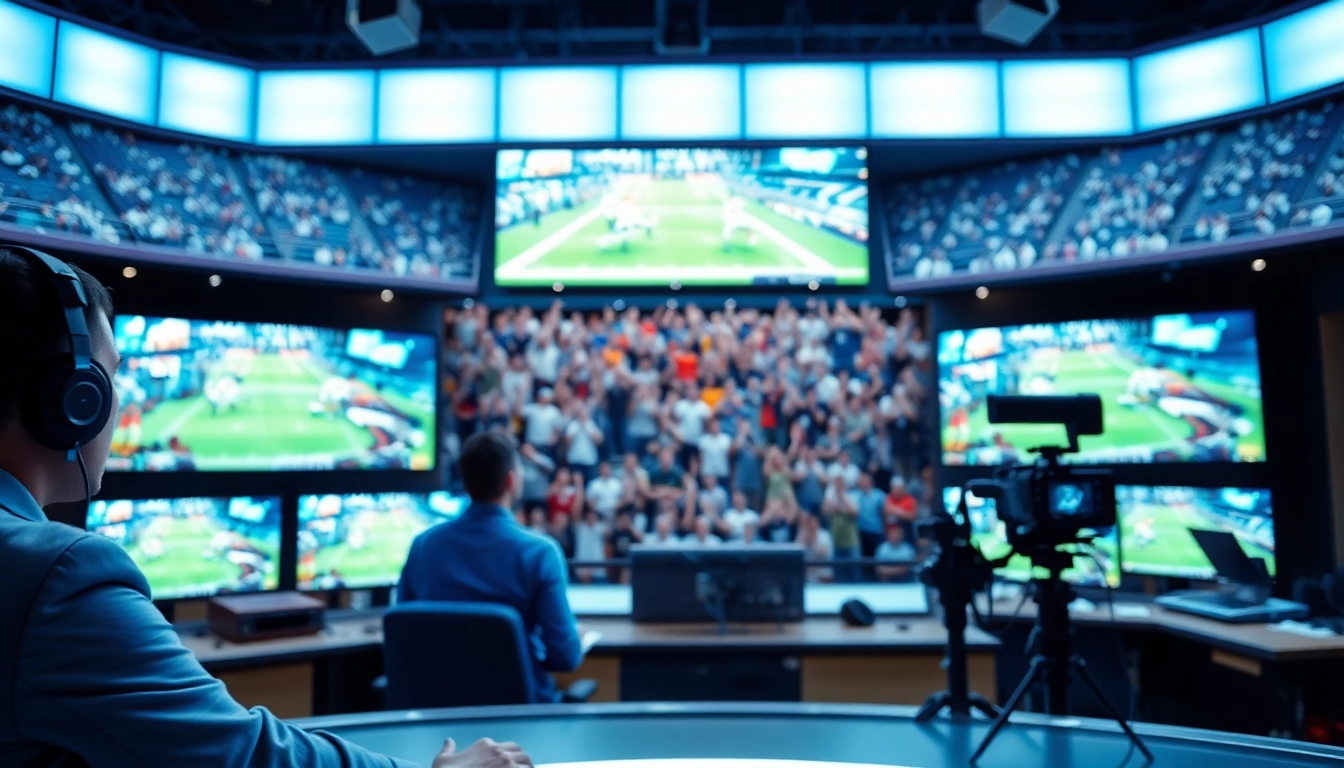
Sports broadcasting refers to the live coverage of sporting events via various media channels such as television, radio, and online platforms. It aims to deliver real-time updates, analysis, and commentary while enhancing the viewing experience for fans. This specialized field encompasses a range of roles including announcers, producers, and technical staff, all working collaboratively to provide compelling narratives of athletic competitions. Integral to modern entertainment, Sports Broadcasting has evolved significantly over the decades, adapting to technological advancements and changing viewer preferences.
History of Sports Broadcasting
The origins of sports broadcasting can be traced back to the early 20th century with radio's emergence. The first live sports event covered on radio was a boxing match in 1921, paving the way for future broadcasts. Television began to play a crucial role in the mid-20th century, with landmark events such as the 1936 Berlin Olympics being broadcast to a wider audience. As technology advanced, cable and satellite television further revolutionized sports broadcasting, introducing specialized sports networks and expanding coverage to include a multitude of sports, leagues, and events across the globe.
Importance of Sports Broadcasting in Modern Media
Today, sports broadcasting is a crucial component of the media landscape, serving as a vehicle for storytelling and engagement while driving substantial revenue for the sports industry. It facilitates mass communication, allowing fans to connect with their favorite teams and players from anywhere. Additionally, broadcast rights are a major income source for leagues, teams, and athletes, contributing to the overall financial health of the industry. As a result, sports broadcasting not only enhances the viewer experience but also supports the broader ecosystem of sports-related businesses and media.
Key Techniques in Sports Broadcasting
Effective Communication Skills for Broadcasters
Effective communication is a cornerstone of successful sports broadcasting. Broadcasters must articulate their thoughts clearly and engage audiences using a dynamic and exciting narrative style. This involves not only play-by-play commentary but also analysis and storytelling. Understanding the audience's expectations and cultural context allows broadcasters to tailor their communication style. Practicing voice modulation, pacing, and vocabulary can significantly enhance a broadcaster's effectiveness.
Utilizing Technology in Sports Broadcasting
Technology has transformed sports broadcasting, introducing advanced tools that enhance production quality. High-definition cameras, drones, and various graphics display systems offer unprecedented perspectives and analyses. Live streaming services allow fans to watch events anytime, enhancing accessibility. Moreover, data analytics are increasingly integrated into broadcasts, providing real-time statistics that deepen viewer engagement. Adapting to new technologies is crucial for broadcasters to stay competitive.
Engagement Strategies for the Audience
Engagement is key to retaining viewership and building a loyal fanbase. Broadcasters must employ various strategies to create an interactive experience. This can include audience polls, social media integration, and on-screen graphics that showcase viewer comments. Storytelling remains a powerful tool, allowing broadcasters to highlight personal stories of athletes or delve into broader cultural narratives surrounding sports. Moreover, creating content tailored to specific platforms (like highlight reels for social media) maximizes engagement across all channels.
Challenges in Sports Broadcasting
Staying Relevant in a Changing Market
The sports broadcasting market is rapidly evolving with changing viewer habits and technological advancements. Staying relevant requires broadcasters to adapt to trends such as on-demand content consumption and the rise of social media platforms. Broadcasters must also address competitive challenges from online streaming services that offer diverse programming. Proactively embracing new formats, investing in content creation, and understanding shifting demographics can help broadcasters remain pertinent.
Managing Live Broadcast Challenges
Live broadcasting comes with its share of challenges, from unexpected technical failures to unpredictable weather conditions. Broadcasters must be prepared for contingency plans, including backup equipment and alternative communication strategies. Effective collaboration among technical teams, producers, and commentators is essential to manage these situations seamlessly. Training for unexpected events and developing quick decision-making skills can significantly mitigate disruptions during live coverage.
Legal and Ethical Considerations
Compliance with legal regulations and ethical standards is paramount in sports broadcasting. Broadcasters must navigate copyright issues, especially concerning live event coverage and the use of music or imagery. Ethical considerations encompass fairness in coverage, avoiding biased commentary, and respecting athletes' privacy. Broadcasters should stay informed about laws governing broadcasting rights and audience interactions to maintain credibility and trust among viewers.
Best Practices for Aspiring Broadcasters
Building Your Brand in Sports Broadcasting
In a crowded media landscape, establishing a personal brand is critical for broadcasters. This involves crafting a unique voice and perspective that resonates with audiences. Building a robust online presence through social media platforms allows aspiring broadcasters to showcase their work, engage with fans, and develop a following. Networking with industry professionals and attending major sporting events can further enhance visibility and credibility.
Networking and Relationships in the Industry
Networking is a vital component of success in sports broadcasting. Building relationships with fellow professionals, producers, and athletes can lead to valuable opportunities. Attending conferences, workshops, and networking events can facilitate connections that may lead to mentorship, collaborations, or job offers. Showing genuine interest and support for others in the industry can foster long-lasting relationships that help grow one’s career.
Continuous Learning and Adaptation
The media landscape is continuously evolving, and so should aspiring broadcasters. Engaging in continuous education through workshops, online courses, and industry literature keeps individuals updated on trends and emerging technologies. Learning from experienced broadcasters through observation or mentorship can also provide insight into best practices. Being adaptable to change and willing to take risks is essential for long-term success in the field.
Performance Metrics in Sports Broadcasting
Key Performance Indicators for Broadcasters
Understanding performance metrics is integral for broadcasters to assess their impact and effectiveness. Key Performance Indicators (KPIs) include audience ratings, viewer engagement statistics, and social media interactions. Tracking these metrics allows broadcasters to refine their strategies and improve content delivery. Moreover, analyzing ratings across different platforms helps define what resonates best with audiences.
Analyzing Audience Engagement and Ratings
Engagement analysis involves scrutinizing how viewers interact with broadcasts. Study metrics such as average watch time, peak viewership, and audience retention rates to assess what keeps audiences captivated. Surveys and feedback can provide qualitative data on viewer satisfaction. Adjusting broadcast strategies based on this information can enhance overall viewer experience, leading to increased loyalty and higher ratings.
Future Trends in Sports Broadcasting Metrics
The future of sports broadcasting will likely see a shift towards more sophisticated metrics that encompass data-driven insights. Advances in analytics may provide deeper understanding of viewer demographics and preferences, helping broadcasters target their content more effectively. Embracing Artificial Intelligence and machine learning technologies can support predictive analytics, enabling broadcasters to anticipate trends and viewer behaviors, thus enhancing strategy formulation.
Frequently Asked Questions
What is Sports Broadcasting?
Sports Broadcasting involves the live coverage of sporting events through various media channels, including television, radio, and online platforms, aimed at engaging fans and delivering real-time updates.
What skills are essential for sports broadcasters?
Key skills for sports broadcasters include effective communication, storytelling, knowledge of sports, adaptability to technology, and audience engagement strategies.
How has technology changed sports broadcasting?
Technology has enhanced sports broadcasting through high-definition visuals, online streaming, and integration of real-time data analytics, revolutionizing the viewer's experience.
What are the main challenges for sports broadcasters?
Challenges include staying relevant in a competitive market, managing live broadcast issues, and adhering to legal and ethical standards in coverage.
How can aspiring broadcasters build their brand?
Aspiring broadcasters can build their brand by creating a strong online presence, networking within the industry, and continuously updating their skills and knowledge about the field.